Webshots with the right emoji
Every webshot API renders emoji in whatever font its server happens to have. We run a separate browser per emoji set — so 🚀 looks like Apple's, Google's or Twitter's because you asked for it, not because of what was installed.
No credit card. One endpoint. PNG back in under a second.
The same page, three browsers
Identical HTML, identical request, one parameter changed. No CSS injected — the emoji font is different inside each container.
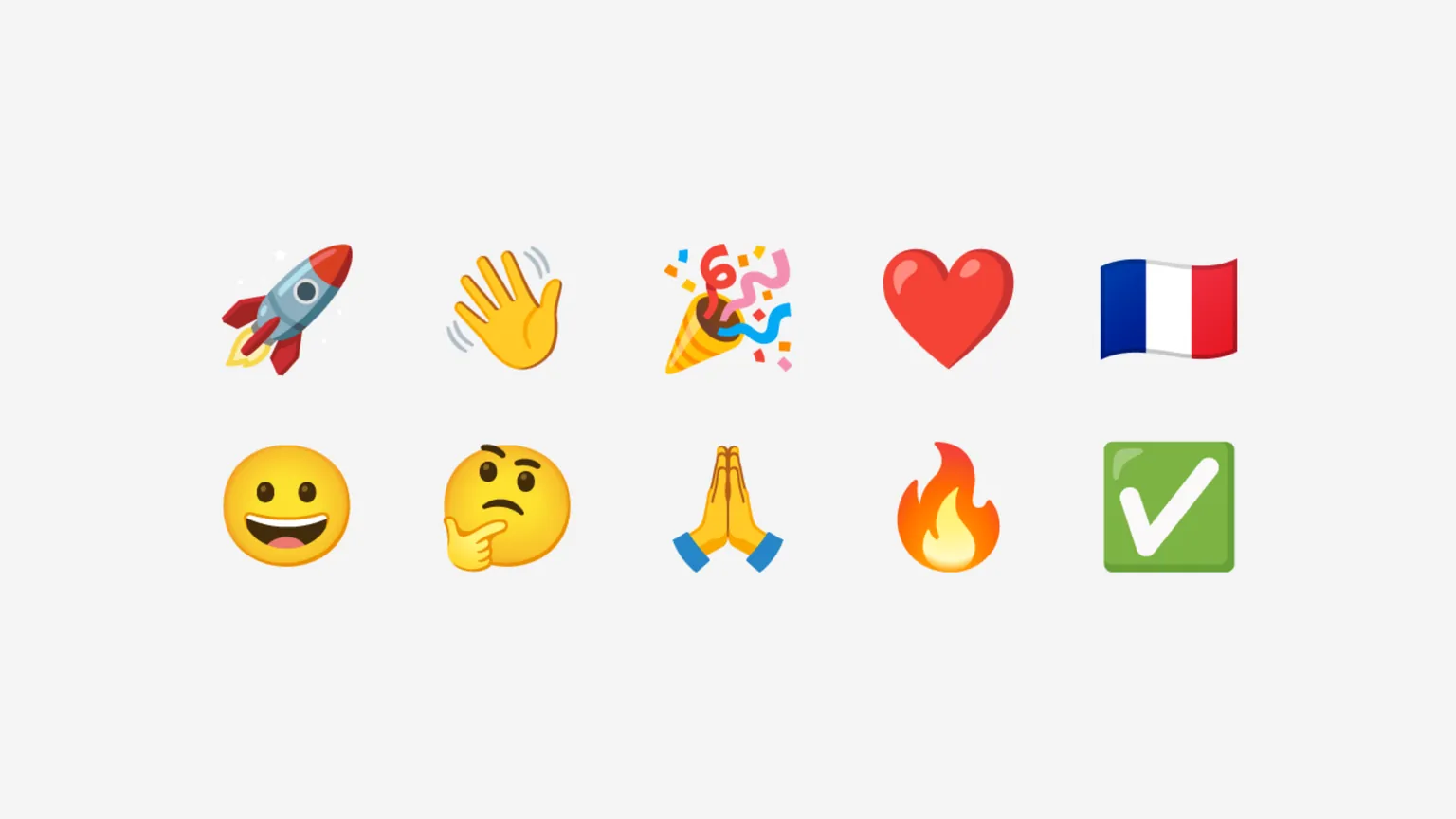
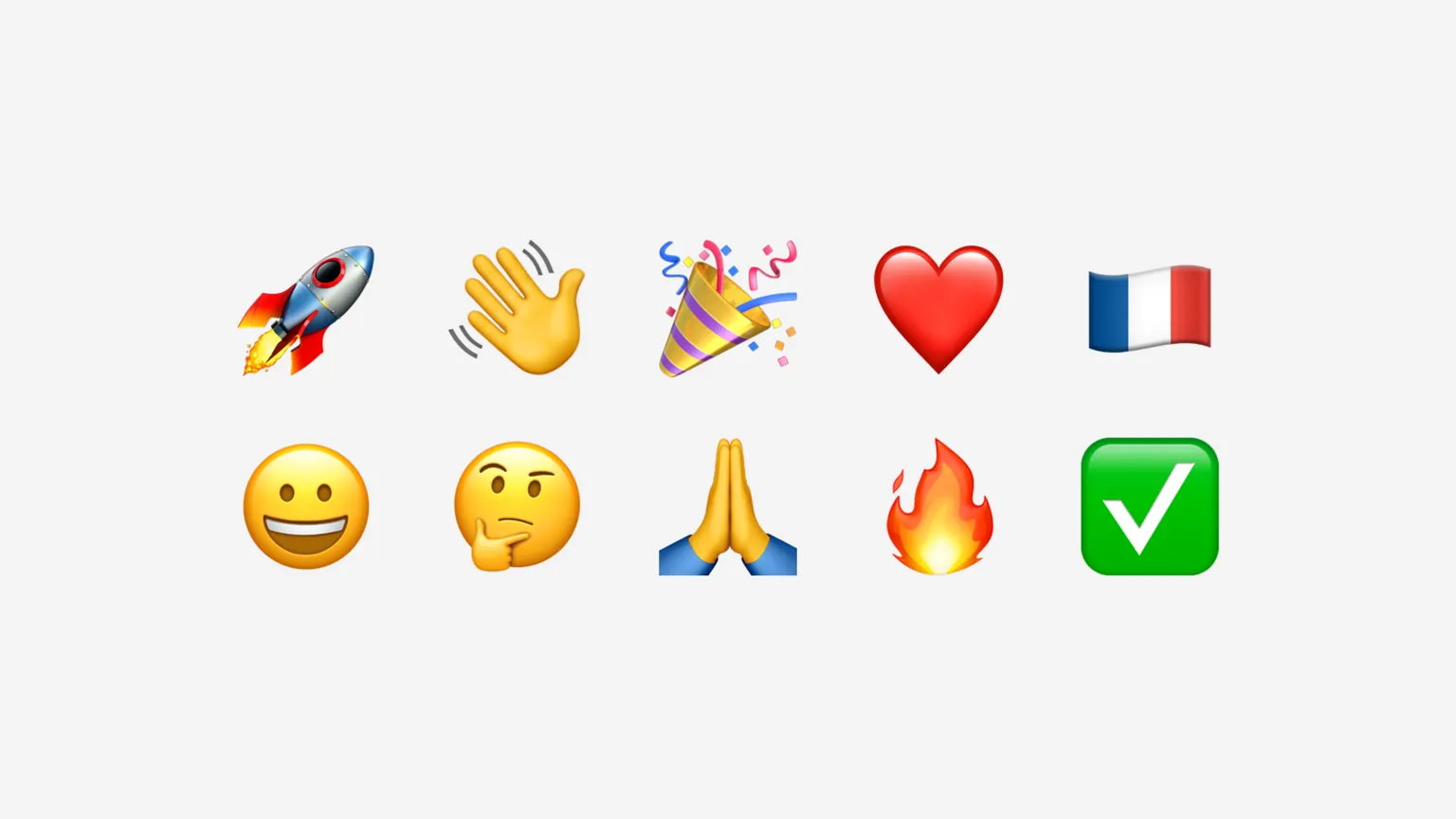

8 sets available: Android · Apple · Blobmoji · Twemoji · WhatsApp · Samsung · Facebook · Microsoft.
One call. That's the integration.
The response body is the image. No job to poll, no bucket to fetch from, no SDK to install.
curl -X POST https://webshotter.com/api/v1/webshots \
  -H "Authorization: Bearer YOUR_TOKEN" \
  -H "Content-Type: application/json" \
  -d '{"url": "https://example.com", "emoji_set": "twemoji"}' \
-o webshot.jpgBuilt for pixels you can trust
The boring guarantees that decide whether a webshot is usable in production.
What people point it at
Questions
Emoji are font glyphs, not images. A webshot server renders them in whatever colour-emoji font is installed on it — usually one Linux default. So your Apple-flavoured mockup comes back looking like Android, and nothing in your CSS can change that. We install exactly one emoji font per container and rebuild fontconfig around it, so the set is a request parameter instead of an accident.
No. The page loads exactly as it would in a normal browser, its own web fonts included. The only difference is which colour-emoji font exists inside the container.
For the same request against the same renderer build, yes — we verified it on live third-party pages, not just fixtures. A Chrome or emoji-font upgrade can legitimately move pixels, so treat a webshot as a picture taken at a moment rather than as a stable fingerprint.
Every capture already waits for the load event, for the network to go quiet, for every image to decode and for the fonts to paint. Beyond that, wait_for_selector waits for an element you name, and delay_ms waits out an animation nothing in the DOM announces.
Not unless you ask. An API render streams straight to you and we keep only a usage record; send "store": true and we keep the image too, briefly, so you can fetch it again. Webshots taken from the web form are kept the same way, so the history page has something to show, then deleted automatically.
No, and that is deliberate. Private, loopback and cloud-metadata addresses are refused, including public hostnames that resolve to them and redirects that land on them.
Take your first webshot in a minute
Sign up, paste a URL in the form, and see it. Reach for a token when you are ready to automate it.